Scheldt Tunnel Oosterweel Project Belgium
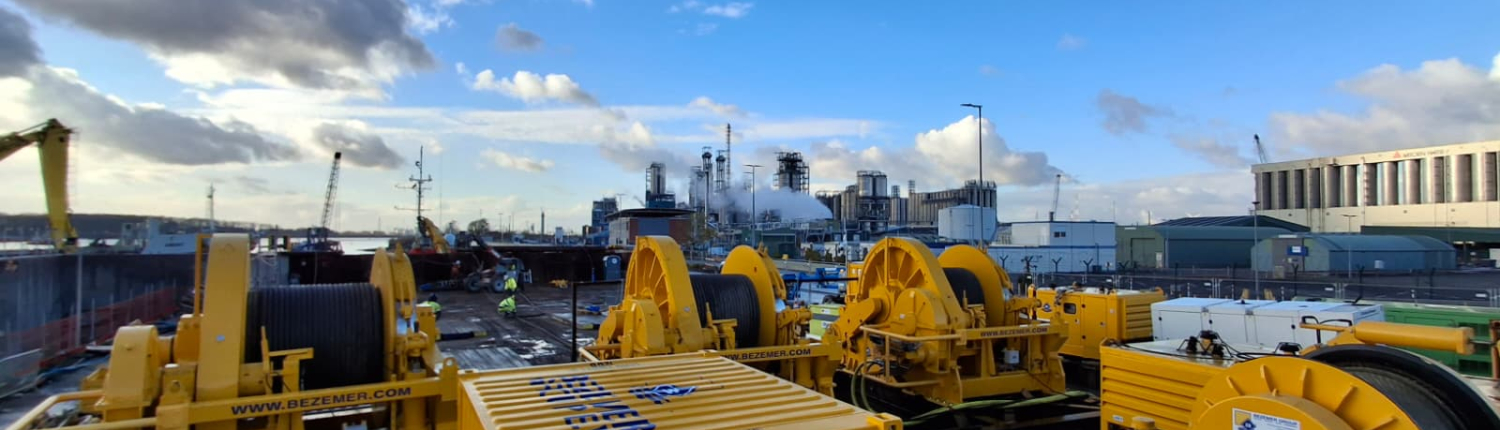
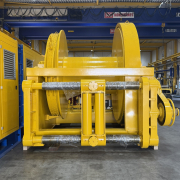
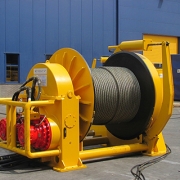
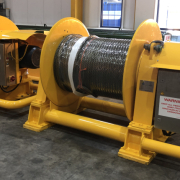
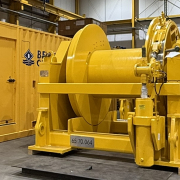
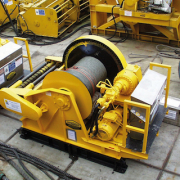
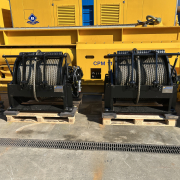
20T to 150T Drum Winches
Project description
The Oosterweelverbinding (Oosterweel Link) is a major infrastructure project in Belgium designed to complete the ring of Antwerp. A centerpiece of this program is the Scheldt Tunnel, an approximately 1.8 km immersed tunnel connecting the left and right banks of the River Scheldt.
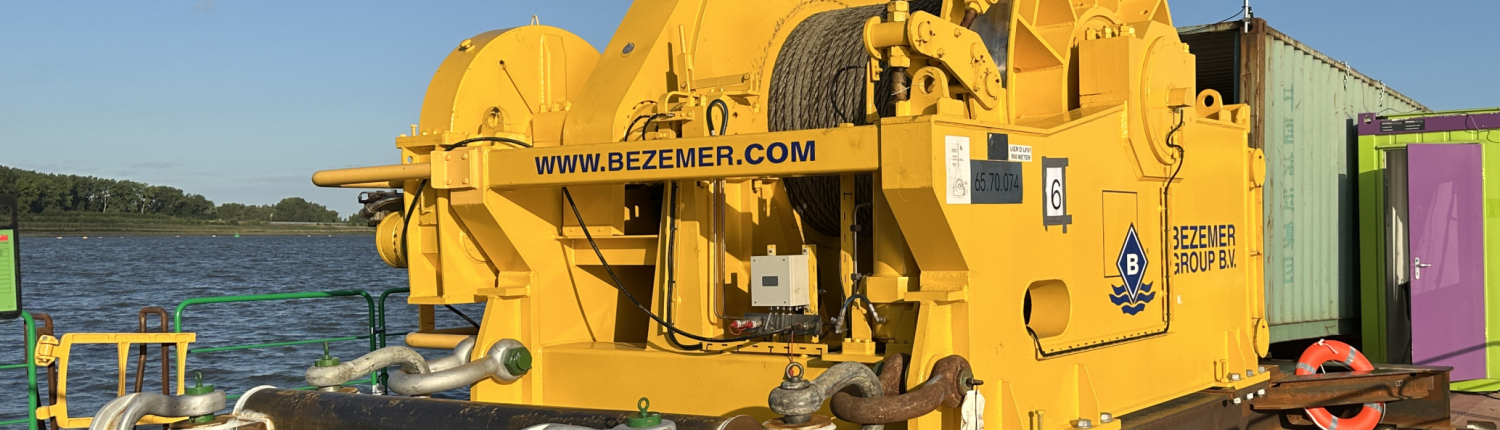
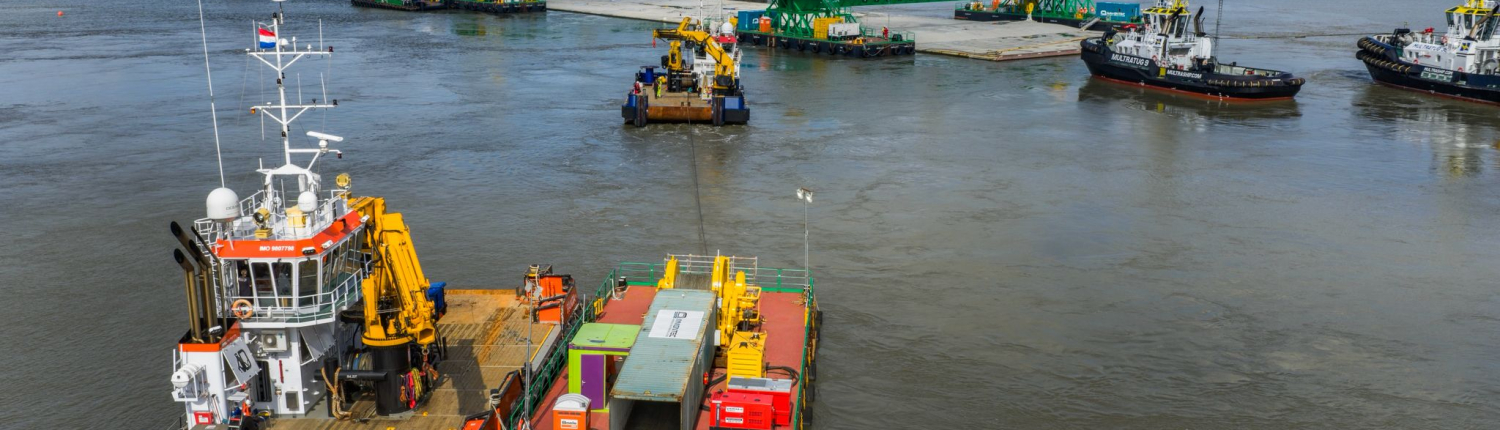
Eight huge tunnel elements, each 160 m long and about 60,000 tonnes, were prefabricated in a dry dock in Zeebrugge and towed to Antwerp, to be immersed in the Scheldt River. Bezemer played a key role in this process by providing Immontec Immersion and Monitoring solutions with winches for both the building dock and the immersion phases.
Mooring in the Building Dock
In the dock near Bruges, where the eight tunnel elements were assembled, Bezemer supplied robust mooring winches to control each unit as it was floated to the surface and exited the dry dock for transport to Antwerp.
Positioning and Immersing the Elements in the Scheldt River
For the immersion operations in the Scheldt River, Bezemer provided three types of winches:
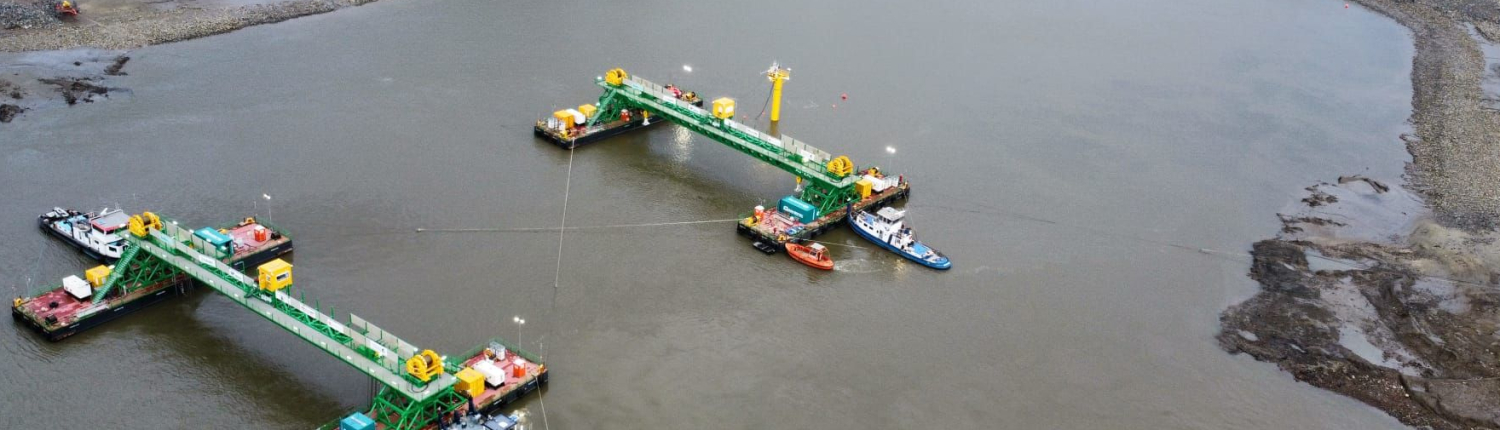
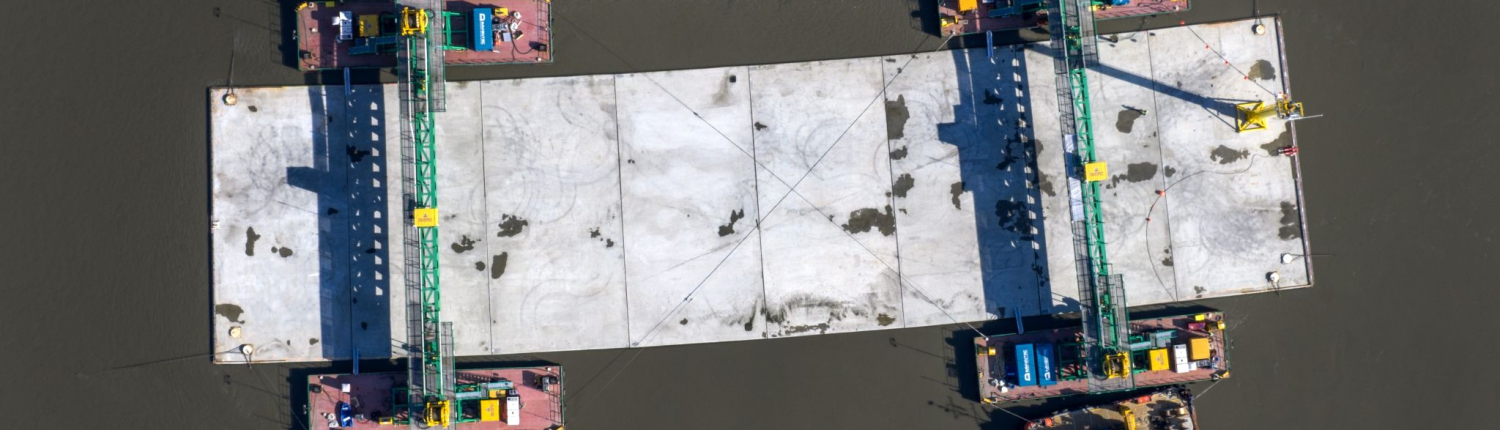
- Six 150T Positioning Winches were used to rotate and position each tunnel element into its correct horizontal loacation. These winches were placed on barges and the quay surrounding the element, to rotate and align each element precisely before and during immersion.
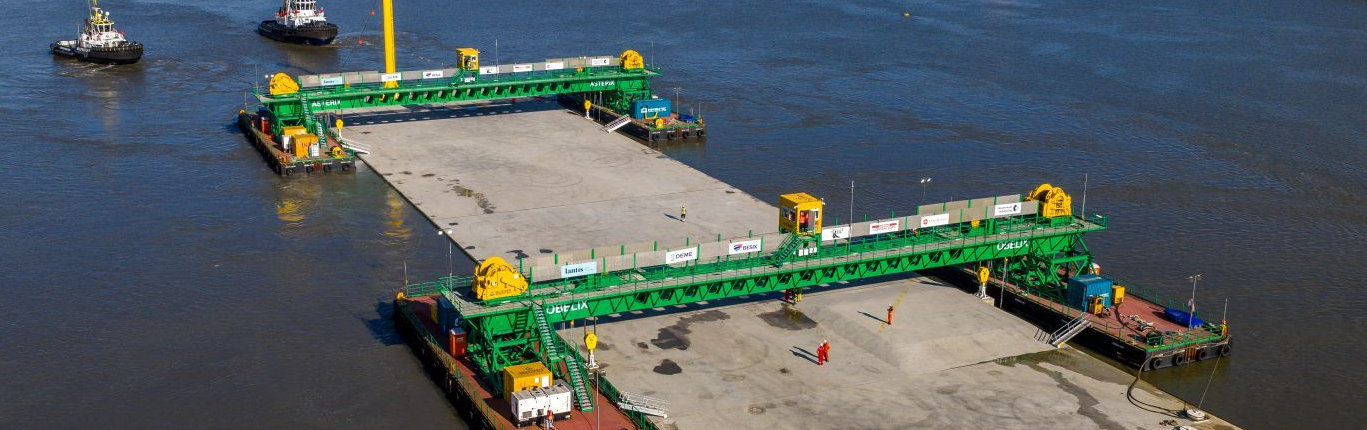
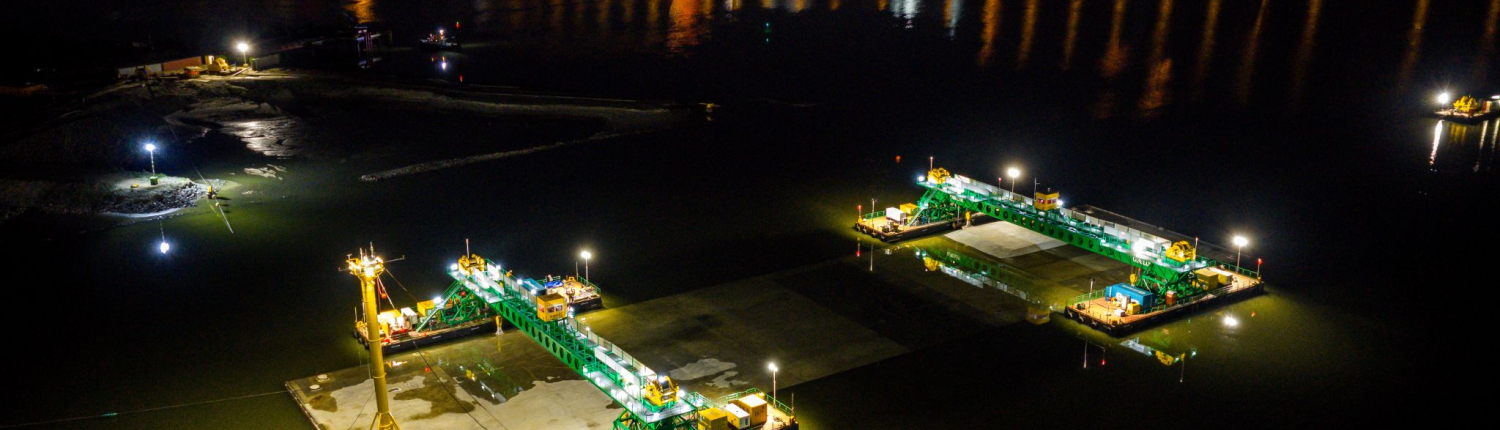
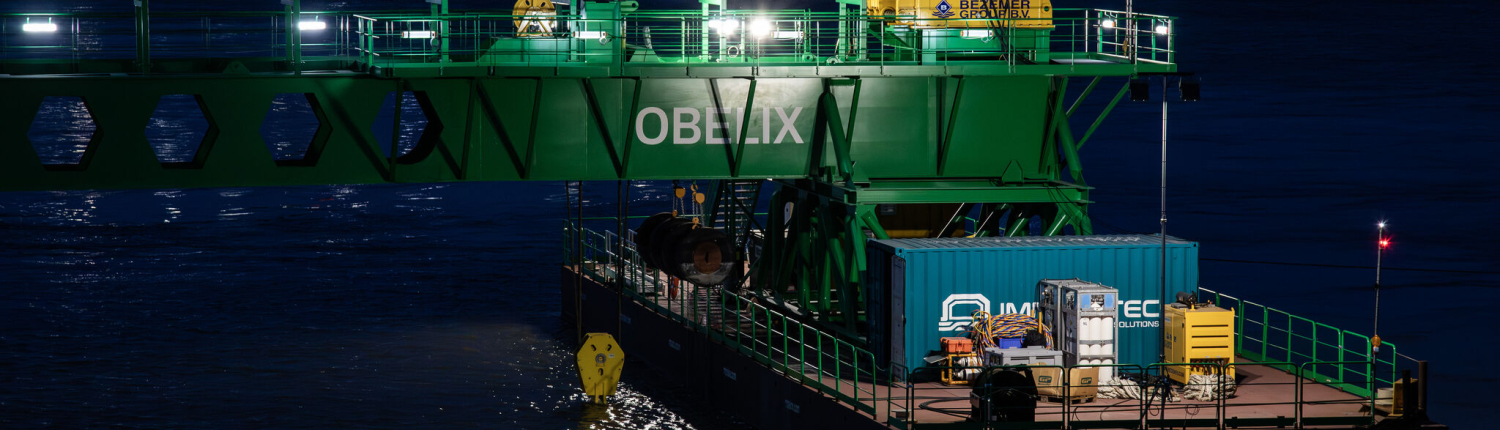
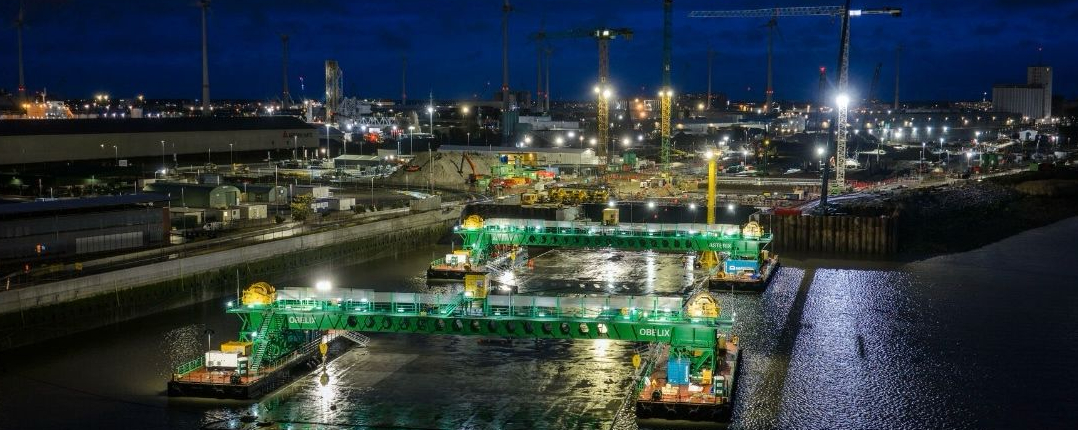
- Four 100T Immersion Winches were installed on two floating bridges, so-called immersion catamarans, to control vertical movements. These winches gradually lowered the tunnel elements into the riverbed trench as they were ballasted with water.
- Eight 20T Anchorage Winches secured the immersion platforms in position throughout the operations.
Technical Challenges
Installing 60,000-tonne tunnel elements in a tidal river demanded both extreme precision and operational adaptability:
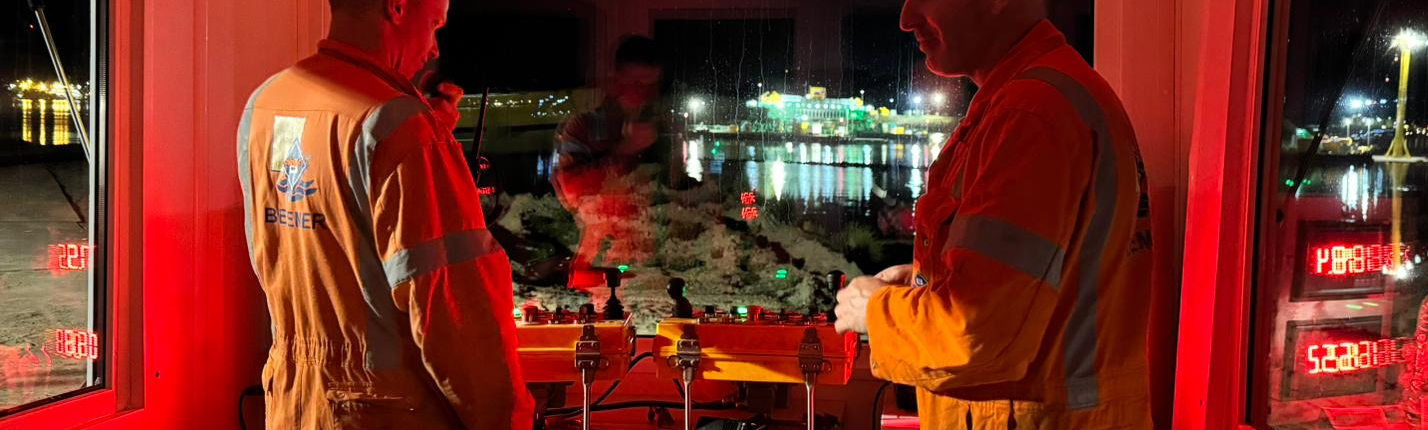
Each element was lowered into place and held steady until perfectly positioned — with final tolerances as tight as 35 mm, made possible by fine-tuned winch control.
When the fourth segment encountered a sand bank, our winches guided the unit back up safely. The element was successfully re-immersed two weeks later.
The Scheldt Tunnel isn’t just a piece of infrastructure, it’s a work of advanced engineering, heavy‑lift precision, and teamwork. Once complete, cyclists will be able to use the tunnel as early as 2028, followed by motorized traffic from 2030, helping to relieve congestion on existing river crossings and improve access in the city and port area.